A mix of anonymous platform work at Modern McGuire Productions and purpose-built software for specific people. Each story explains the system design and scope without identifying clients or exposing internal details.
10 documented systems4 platform systems6 personal builds
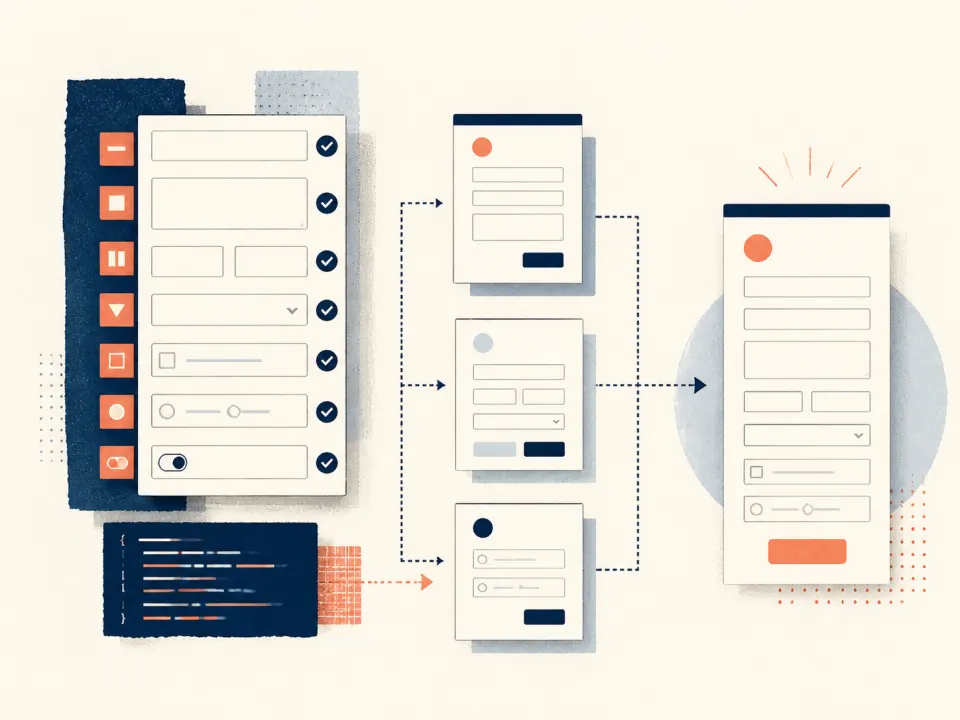
I built the form builder, the Vue-powered public embed runtime, and the submission pipeline that lets a client add a complete form to any website with one script and an <ed-form uuid=""> element.
Configurable fields, validation, multipage flows, styling, and autoresponders
An embeddable Vue runtime that hydrates a placeholder from the form API
Spam protection, CRM contacts, webhooks, conversion reporting, and submissions
I designed the system that generates hundreds of client-specific questions and answers, lets each client style a microsite, and publishes the finished site as static HTML behind its own custom hostname.
AI-assisted question generation with human review
Client styling, custom hostnames, and DNS provisioning
Static HTML publishing to R2 with Worker and KV routing
When I took over The Free Agents—a men’s slow-pitch team assembled from a players-looking-for-a-team list—I turned the whiteboard routines already helping us play better into Free Agents Softball: roster admin, league sync, RSVP, lineups, live scorekeeping, and stats in one intentionally low-friction tool.
Roster, dues, waiver, and preferred-position tracking
League schedule and result sync, calendar, and RSVP workflow
Lineup board, live scorekeeping, player stats, and standings
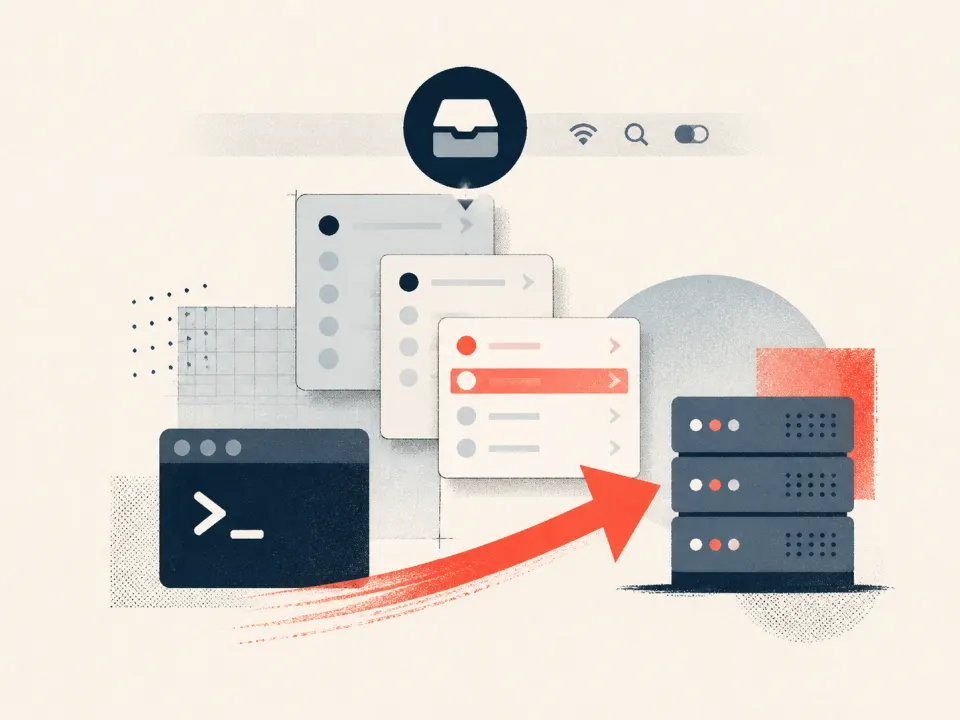
When a favorite Forge companion app moved toward a pricier plan and I needed a few more features, I built Anvil: a NativePHP menu-bar app that puts deployments, servers, logs, environment files, and common recovery actions where I already work.
NativePHP macOS menu-bar application
Laravel Forge API wrapper, favorites, and local state
Deploy, SSH, logs, environment, and service actions
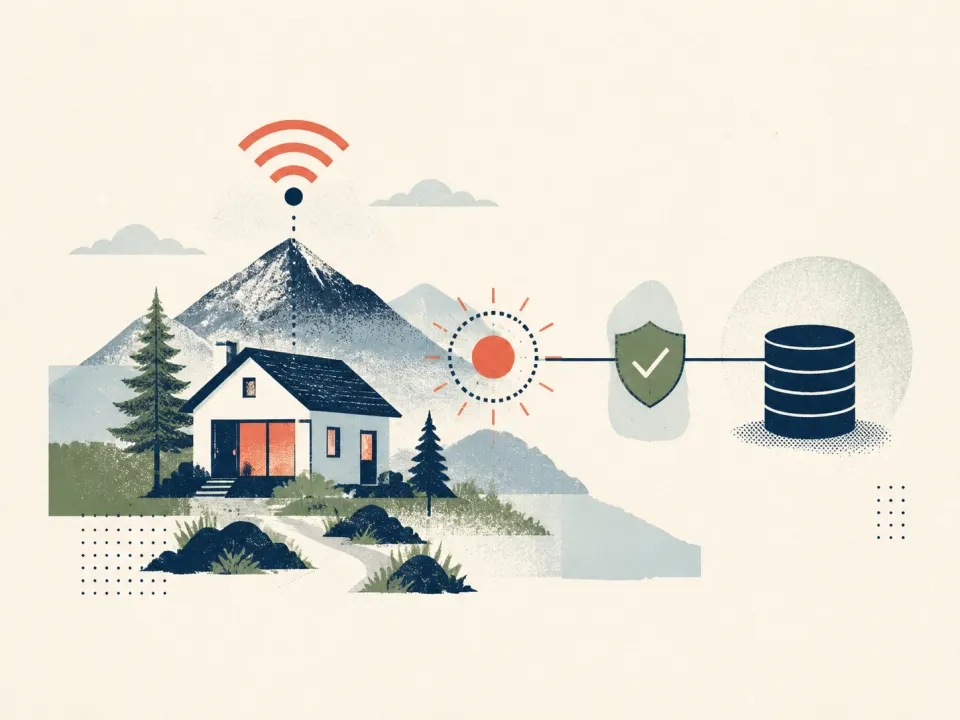
Living in the Sierra foothills means spotty internet, limited provider choices, and no practical static IP. When a new client’s database allowed access only from approved addresses, I built IPTracker to make the changing address visible and actionable instead of a recurring trip through whatismyip.com and the Azure portal.
Configurable public-IP checks from a native menu-bar app
Change notification, copy action, and region context
NativePHP auto-updates via DigitalOcean Spaces artifacts
My wife is a real-estate agent, and the tools supplied by her broker did not make the day-to-day work easier to organize. I built a web and mobile transaction-management system around the clients, properties, deadlines, files, tasks, reminders, commissions, expenses, and vendors she actually needs to run the business.
Client, property, listing, sale, contact, file, and expense records
Escrow, contingency, task-template, reminder, and calendar workflows
Commission calculations, vendors, shared access, and an Expo mobile app
My family had reliable income and could make a monthly budget, but we still found ourselves with a pile of money at the beginning of the month and too little halfway through. I built Balanced to turn bank activity into simple, readable evidence of whether we were actually keeping to the plan.
Plaid account connections, transaction import, and categorization
Monthly budgets, recurring bills, categories, goals, and recaps
Household accounts, progress indicators, notifications, and subscription plans
My brother-in-law initially needed a simple personal website to show his work and bring in commissions. I built the gallery and contact surface first; it grew into a connected system for categorized work, inquiries, contacts, commissions, project details, quotes, deposits, invoices, and follow-through.
Customizable, categorized, and featured gallery management
Public inquiry capture connected to contacts and submissions
Commissions, attachments, invoices, payment status, and business reporting
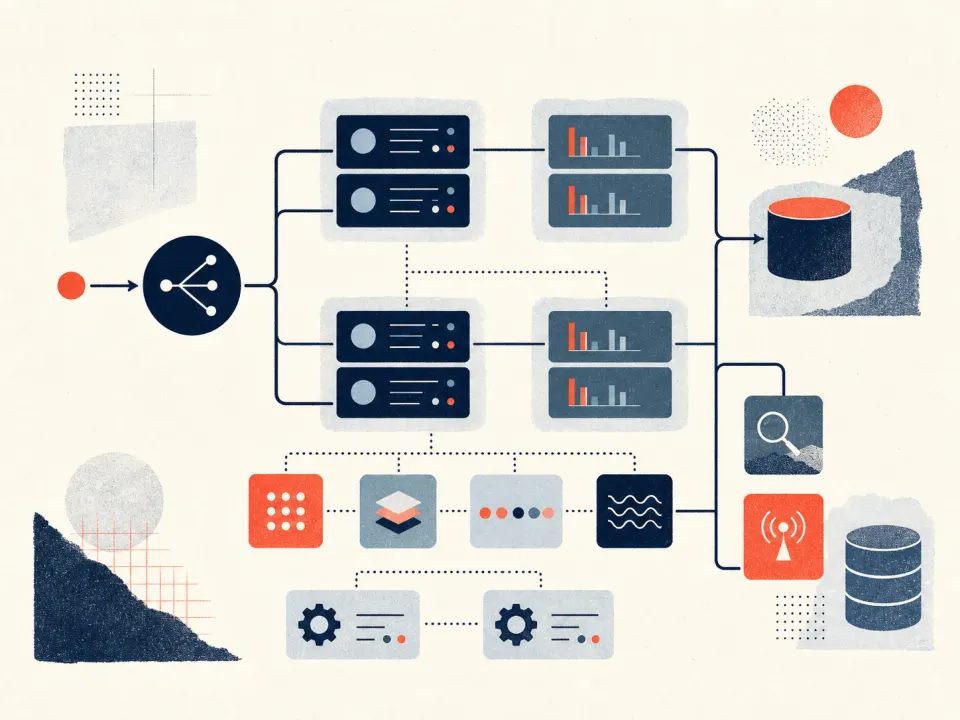
My first horizontally scaled platform taught me that distribution is not a starting point or a badge. I designed the seams that let a single-server deployment become load-balanced application and analytics tiers, separate Redis services, workers, object storage, search, and realtime infrastructure without turning each move into a risky rewrite.
Stateless web requests, remote temporary uploads, and object storage
Separate interactive, analytics, cache, queue, worker, search, and realtime workloads
A scale-up path that still begins simply for a typical client deployment
I built the browser tracker, session and visit pipeline, custom event system, and CRM handoff for an in-house alternative to Google Analytics—now holding more than 50 million session rows and 86 million visit rows that remain individually queryable in MySQL.
Embeddable browser tracker, session lifecycle, and page history
Queued attribution, device context, visit timing, and custom events
CRM association, conversion context, reporting, and visitor search